01
Meet the learner
Begin with each student’s abilities, prior learning, needs, circumstances, and aspirations—not an imagined average.
In person · Hybrid · Online
Golden Coast International teaches a single coordinated program—on campus, in a blended schedule, or fully online—so a student’s location and circumstances don’t have to limit their education.

Our access manifesto
Educators do not manufacture growth or impose one definition of it. We create the conditions for students to stretch academically: honoring their abilities and needs, offering purposeful challenge, and helping each learner move forward from where they are.
01
Begin with each student’s abilities, prior learning, needs, circumstances, and aspirations—not an imagined average.
02
Help each learner identify a meaningful next step, practice with purpose, and recognize progress without prescribing one path for everyone.
03
Build one school community across locations, cultures, backgrounds, and ways of learning.
Three learning options
A full school day on campus, with face-to-face classes, shared study time, and in-person activities.
View this optionA planned mix of campus sessions and online learning, with one coordinated academic program.
View this optionRemote high school with live teaching, independent coursework, advising, and digital collaboration.
View this optionAcademic program
Course plans should reflect prior learning, current abilities, access needs, interests, and what a student wants to pursue next.
Close reading, evidence, writing, discussion, and research across texts and contexts.
Conceptual understanding, practice, modeling, and clear mathematical communication.
Observation, investigation, data, and explanation through laboratory and project work.
A broader program shaped by student interests, goals, and course availability.
Family resources
Compare weekly structures, prepare a technology setup, and review questions for academic planning and learner readiness.
Browse resourcesSee the three formats side by side.
Map courses and academic priorities.
Check technology and study routines.
From the journal
We refuse the idea that a student must become easier to teach before they can be taught ambitiously, thoughtfully, and well.
Read essay
Illness, grief, caregiving, migration, and disruption can change the shape of a school year. They do not reduce a young person’s capacity or worth.
Read essay
For students on alternative paths, community cannot be an afterthought or a calendar of events. It must be built into the work itself.
Read essay
In-person, hybrid, and online learning should not be three standards of education. They should be three carefully designed routes into one serious academic life.
Read essay
An educator’s task is to understand where a student is, hold a clear academic purpose, and create the conditions for a meaningful next step.
Read essay
A student cannot benefit from a rigorous program they cannot reliably reach, navigate, or participate in.
Read essay
Good assessment asks for strong thinking while recognizing that understanding can become visible in more than one form.
Read essay
An international student body can turn global perspective from a unit of study into a daily practice of listening, comparing, and thinking again.
Read essay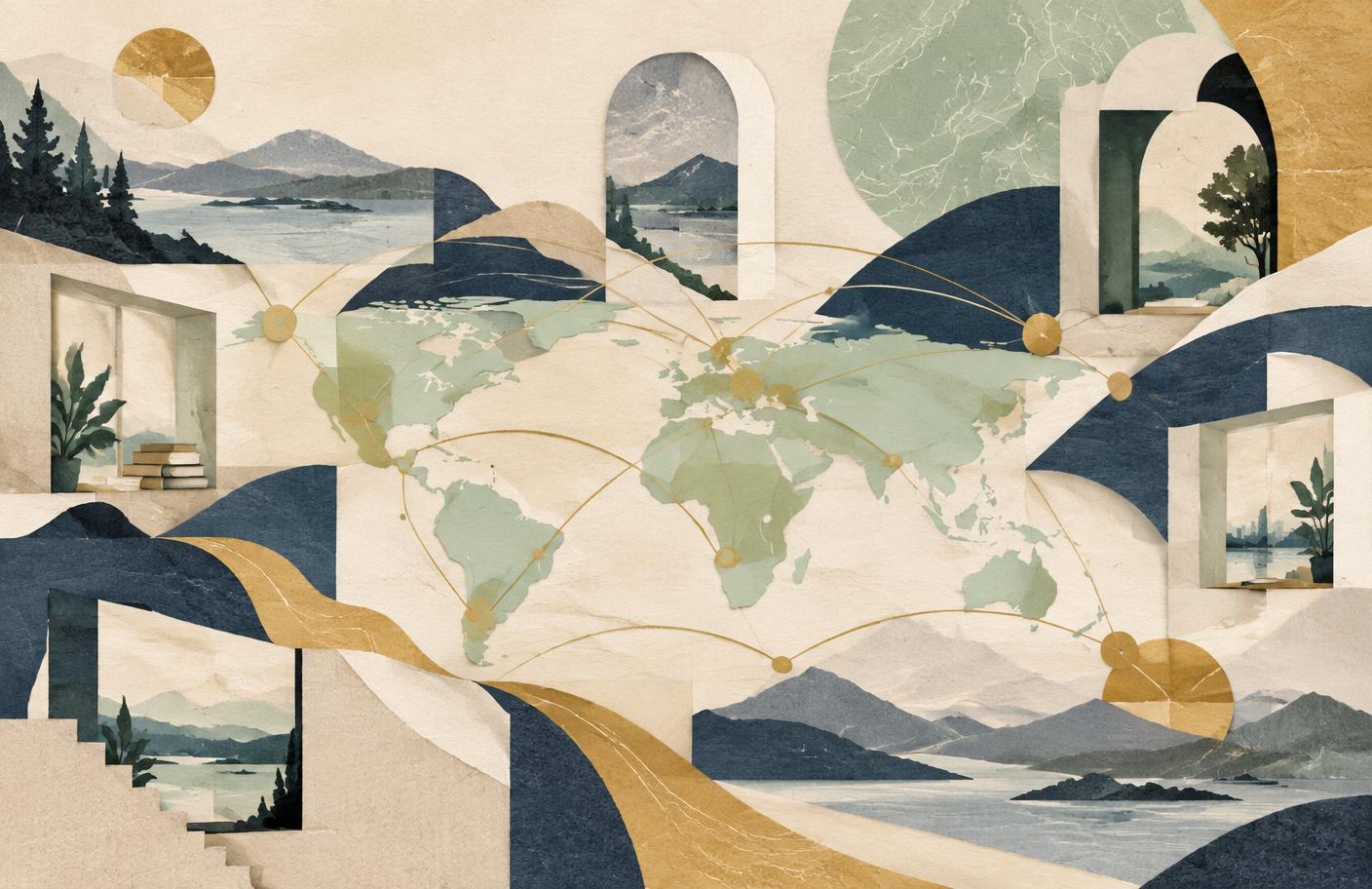
Belonging is not produced by a building. It grows through repeated contact, shared purpose, and visible participation.
Read essayAdmissions
Tell us the learning format you are considering, the student’s current stage, and what you need to understand before deciding.